Abstract:Forex trading in the Philippines, regulated by the SEC and BSP, is a rapidly growing market. Local banks, like Banco De Oro, provide necessary platforms and facilitate transactions for traders. The minimum investment for starting Forex trading varies, but it's crucial to invest money you can afford to lose. Exchange rates play a crucial role in Forex trading, with traders profiting from their fluctuations. A trader's success heavily depends on keeping track of factors affecting currency rates, such as inflation and political stability.
 Introduction
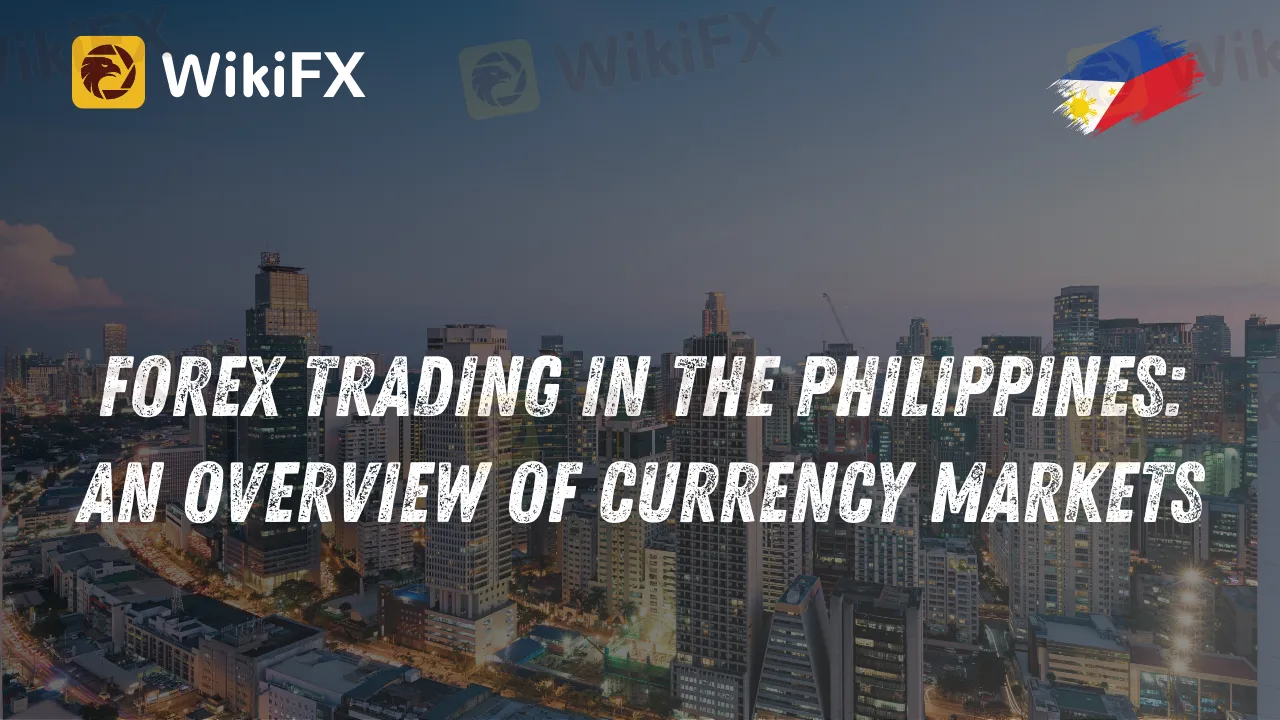
Foreign exchange, sometimes known as Forex, refers to the global market for currency trading. This world's most liquid market comprises buying, selling, and exchanging currencies at current or preset prices. Although forex trading is still relatively new in the Philippines, its popularity is rising due to the potential for profit. Before joining the world of Forex, however, one must first understand the framework under which it operates.
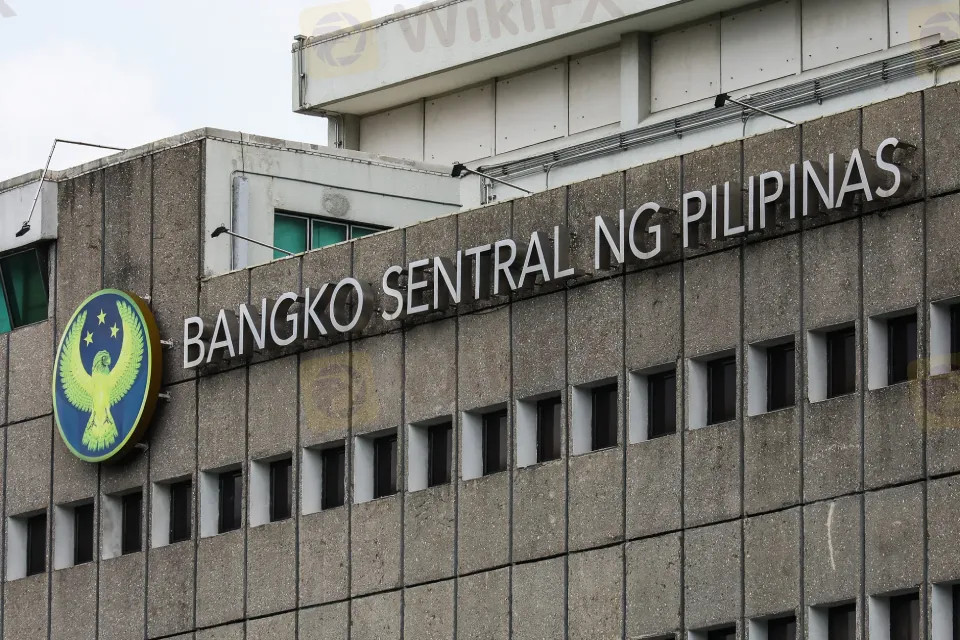
What are the regulations governing Forex Trading in the Philippines?Forex trading in the Philippines is governed by the Securities and Exchange Commission (SEC) and the Bangko Sentral ng Pilipinas (BSP). Both organizations guarantee that the Forex market is transparent, fair, and devoid of fraudulent activity. The BSP, in particular, provides guidelines for all registered Forex brokers, requiring them to adhere to rules and regulations concerning risk management, minimum capital, and customer protection.
 The Role of Banks, Including Banco De Oro, in Forex Trading in the Philippines.
Banks are very important in the Forex market. They not only participate directly but also function as mediators between Forex traders and the market. Banks in the Philippines, such as Banco De Oro (BDO), one of the country's biggest, provide Forex trading to its clients.
How do banks like Banco De Oro support Forex trading in the Philippines?Banks like Banco De Oro support Forex trading by providing platforms where traders can buy and sell foreign currencies. They facilitate transactions and provide necessary information on Forex market trends, making trading more accessible for both novice and experienced traders. Furthermore, BDO and other banks offer competitive exchange rates, which can significantly impact a trader's profitability.
 What is the minimum capital requirement to start Forex Trading in the Philippines?
While Forex trading may seem to be an appealing endeavor, it is crucial to understand that it does need some initial cash. The minimum capital required varies greatly based on the broker and the kind of account desired. Some brokers allow traders to start with as little as $100 (about 5,000 PHP), but most need a minimum investment of $500 to $1000. Given the significant risk of Forex trading, it is suggested that you begin with money that you can afford to lose.
For those looking to start, a list of regulated brokers is available here: https://www.wikifx.com/en/best/philippines-best-forex-brokers.html. These brokers comply with the regulations set forth by the BSP and SEC, ensuring the safety of your investment.
How does the exchange rate affect Forex Trading in the Philippines?Exchange rates are the lifeblood of Forex trading. The value of a currency in relation to another currency forms the basis for Forex trading. Traders profit from the fluctuations in these rates. For instance, if the Philippine Peso strengthens against the US Dollar, a trader who bought Pesos would make a profit when selling them. Conversely, if the Peso weakens, the trader would incur a loss.
In the Philippines, the currency rate is impacted by variables such as inflation, interest rates, political stability, and economic success. Keeping an eye on these characteristics might therefore assist traders in making educated judgments about whether to purchase or sell currencies.
Bottom lineForex trading in the Philippines offers an exciting opportunity for potential investors, but it's not without its risks. With the right knowledge, the guidance of regulated brokers, and the support of reliable banking institutions like Banco De Oro, Filipino traders can navigate this complex yet potentially rewarding market. However, continuous learning and staying updated with the latest trends and news are critical to succeeding in Forex trading. To stay abreast of the latest news, consider downloading and installing the WikiFX App on your smartphone here: https://www.wikifx.com/en/download.html

Remember, the goal of Forex trading is not just to make money, but also to understand the intricacies of global economies and how they interact. Happy trading!