

Global Broker Regulation Inquiry App
About WikiFX
English
简体中文
繁體中文
English
Pусский
日本語
ภาษาไทย
Tiếng Việt
Bahasa Indonesia
Español
हिन्दी
Filippiiniläinen
Français
Deutsch
Português
Türkçe
한국어
العربية
اردو


FXTRADING Financial Focus (Asia-Pacific 07/30)US Crypto Bill Faces Further Delay


Abstract:The U.S. Senate has once again slowed the progress of the Digital Asset Market Clarity Act. As lawmakers shift their legislative focus toward other priority bills, the planned advancement of the crypt
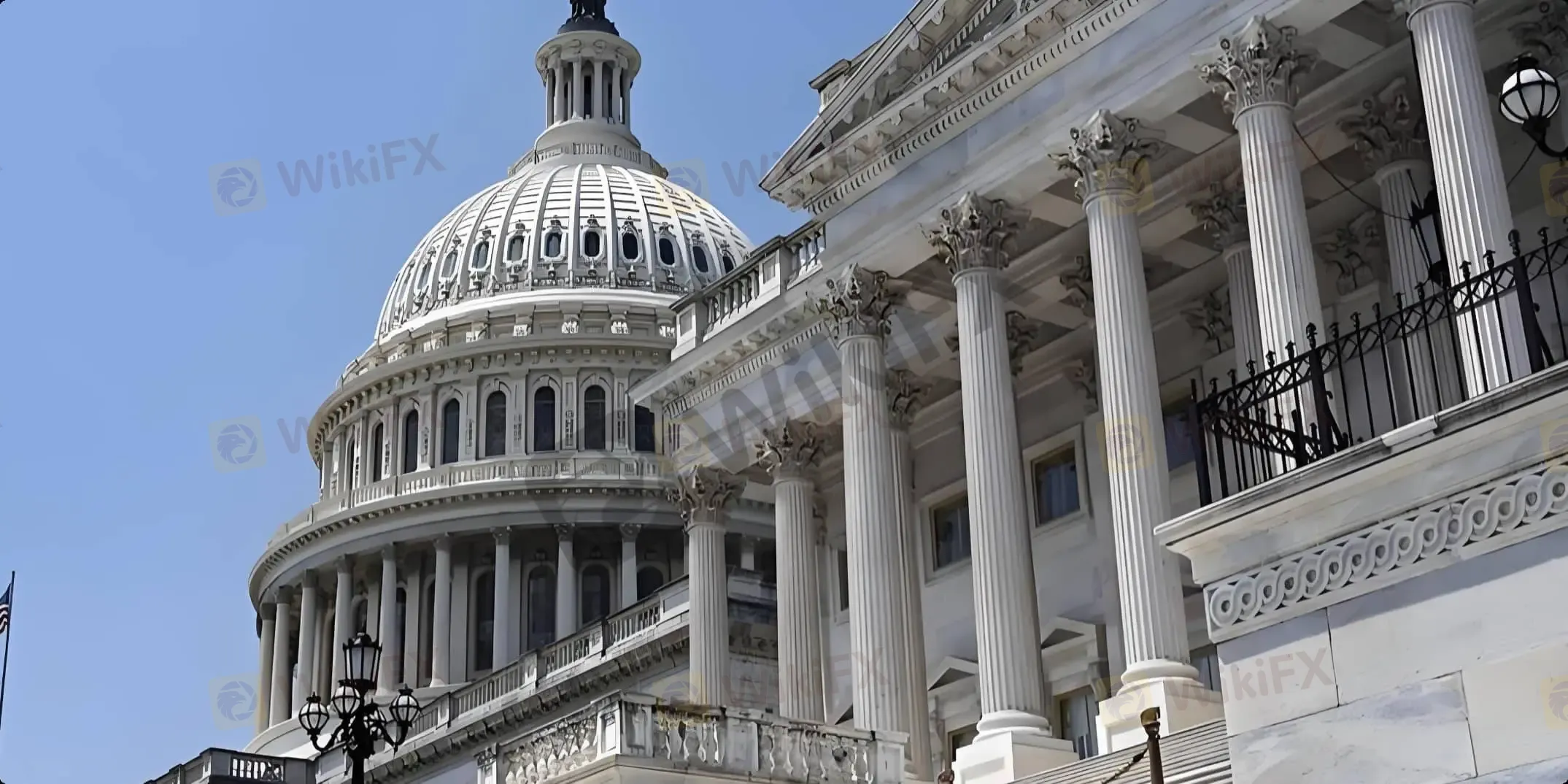
The U.S. Senate has once again slowed the progress of the Digital Asset Market Clarity Act. As lawmakers shift their legislative focus toward other priority bills, the planned advancement of the crypto regulatory legislation has been temporarily postponed. Due to the Senate's complex legislative procedures, controversial bills typically must complete multiple procedural steps, including cloture, before reaching a final vote. As a result, the market generally expects the bill is unlikely to come to a vote in the near term.
The key obstacle to the bill's progress has now shifted from digital asset regulation itself to government ethics issues. The biggest point of contention is whether additional restrictions should be imposed on senior government officials participating in or supporting crypto-related projects. While both parties broadly support establishing a clearer regulatory framework, they have yet to reach consensus on these restrictions, making them the primary reason for the continued delay.
In fact, the legislation has already undergone multiple rounds of revisions. Early debates focused mainly on whether stablecoin yield mechanisms would compete with the traditional banking sector. After lengthy negotiations, lawmakers largely reached a compromise on that issue. As those concerns eased, discussions shifted toward government conflicts of interest and regulatory transparency, sending the bill back into another round of negotiations. Although some progress has recently been made, a final agreement still appears some distance away.
Meanwhile, the legislative window continues to narrow. The U.S. Congress is scheduled to begin its summer recess in early August, and if the bill fails to complete key procedural steps before then, further deliberations will have to wait until lawmakers return in September. Once Congress reconvenes in the fall, the legislative agenda is expected to become even more crowded, leaving limited time for financial regulatory bills and increasing uncertainty over whether the legislation can be finalized this year.
Even if the Senate ultimately passes the bill, it must still be approved again by the House of Representatives before being sent to the President for signature into law. In recent years, coordination within Congress has often been unpredictable, and some bills have been delayed by procedural or political factors even after passing one chamber. As a result, uncertainty remains over the bill's subsequent progress. Nevertheless, advancing a more comprehensive digital asset regulatory framework remains a key policy objective in the United States, and the legislative effort has not been abandoned.
Even if the Clarity Act ultimately fails to pass as planned, U.S. digital asset regulatory reform is expected to continue moving forward. Stablecoin legislation, along with regulatory initiatives by the Securities and Exchange Commission (SEC) and the Commodity Futures Trading Commission (CFTC), is still being refined. Some individual rules may be implemented ahead of a unified framework, providing the industry with greater regulatory clarity, although the establishment of a comprehensive regulatory regime could take longer than originally expected.
From FXTRADING's perspective, the delay primarily reflects slower progress in the U.S. legislative process rather than any shift in the overall direction of digital asset regulation. Going forward, markets will closely monitor whether the Senate can complete the necessary procedural steps and whether both parties can reach consensus on the remaining key issues. If the implementation of a unified regulatory framework continues to be delayed, compliance costs, institutional participation, and the pace of industry development could all be affected. However, the broader objective of establishing a more comprehensive digital asset regulatory system in the United States is expected to remain unchanged.

(For more insights into global macroeconomic trends and market developments, please follow FXTRADINGs official updates. This information is provided for reference only and does not constitute any form of investment advice.)
Disclaimer:
The views in this article only represent the author's personal views, and do not constitute investment advice on this platform. This platform does not guarantee the accuracy, completeness and timeliness of the information in the article, and will not be liable for any loss caused by the use of or reliance on the information in the article.
WikiFX Broker
Latest News
ForexMart Review: Profit Canceled, Principal Withheld, and a Broker Warning Traders Cannot Ignore
 WikiFX
BX Trade Review: Is This Unregulated Broker Worth the Risk?
WikiFXSTMARKET Review: Withdrawal Complaints Cloud a Low-Rated Broker, What to Know Before You Deposit
WikiFXWhy the Dollar Moves Almost Every Forex Pair
WikiFXCONSOB Orders Blocking of 24 Unauthorized Investment Websites
WikiFXBitDelta Receives UAE Category 5 Licence for Introducing Activities
WikiFXRinggit Gains on Majors but Slips vs US Dollar Ahead of Fed
WikiFXtrading.com Review: FCA-Regulated, But Withdrawal Complaints Persist
WikiFXDeriv Review: What Traders Should Know Before Depositing
WikiFXDollar Steadies as Rupee Finds Market Support
WikiFX