Abstract:WikiFX has launched the “Inside the Elite” Interview Series, featuring outstanding members of the newly formed Elite Committee. During the committee’s first offline gathering in Dubai, we conducted exclusive interviews and gained deeper insights into regional market dynamics and industry developments. Through this series, WikiFX aims to highlight the voices of professionals who are shaping the future of forex trading — from education and compliance to risk control, technology, and trader empowerment.
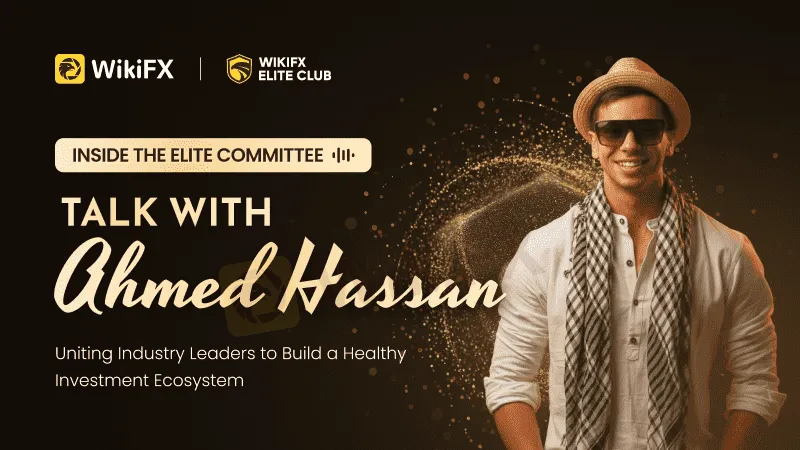
WikiFX has launched the “Inside the Elite” Interview Series, featuring outstanding members of the newly formed Elite Committee. During the committees first offline gathering in Dubai, we conducted exclusive interviews and gained deeper insights into regional market dynamics and industry developments. Through this series, WikiFX aims to highlight the voices of professionals who are shaping the future of forex trading — from education and compliance to risk control, technology, and trader empowerment.
This interview features Ahmed Hassan, a content creator specializing in the Forex market and Forex and cryptocurrency trading.
Q1: What has shaped your trading expertise over the years, and what core values do you believe are essential for long-term success as an IB?
A: I have developed my trading expertise through personal experience, technical analysis, and risk management. My success as an IB depends on a combination of trust and transparency. I think the most important thing in work is providing credibility to the client – and even more importantly, ensuring transparency and security before profits.
Q2: What value do you think WikiFXs products and services bring to investors in helping them achieve safe trading and effective risk control?
A: Platforms like WikiFX help users find reputable brokers and avoid dubious ones. This, in itself, reduces trading risks.
Q3: As a senior IB or KOL in the industry, how do you think professionals should convey the right trading mindset and risk awareness to ordinary investors?
A: We need to be honest with people and explain that trading isn't a get-rich-quick scheme, but a skill that requires time, discipline, and patience. As content creators or brokers, our role is to spread awareness, not dreams, and to teach people how to manage risk before profit. True success in the market is preserving your capital before even thinking about growing it.
Q4: In your view, what are the most noteworthy trends in the forex industry over the next three years?
A: The trend is clearly toward integrating technology and artificial intelligence into trading tools. There's also a growing interest in bridging the gap between forex and cryptocurrencies. Trading platforms are becoming more transparent, and investors are becoming smarter and more aware of risks, which will create a much more mature market in the coming period.
Q5: As a member of the Elite Committee, what kind of responsibilities do you expect to take on in the future? What contributions would you like to make to the Club and the industry?
A: As a member of the elite committee, I expect my role to focus on supporting education and awareness in the field of trading, especially in the Arab market, which is still growing rapidly. I aspire to contribute to building a community of professional traders who share knowledge instead of keeping it to themselves.
I also believe it is our responsibility as members to maintain standards of transparency and credibility within the industry, and to always strive to bring traders closer to trusted brokers.
My goal is for the club to be not just a space for the elite, but also a source of inspiration and support for anyone who wants to enter the field in a sound and safe way.
About WikiFX Elite Club
The WikiFX Elite Club is a premier, influential community within the global forex sector. It brings together industry professionals with demonstrated expertise, influence, and an unwavering commitment to integrity and compliance. The Club is dedicated to breaking down regional and information barriers, advocating for a safer, more transparent global trading environment, and promoting responsible industry practices. Through thought leadership, market intelligence, and cross-border cooperation, the WikiFX Elite Club is committed to fostering a secure, transparent, and sustainable global trading environment for a healthier, more open, and dynamic forex ecosystem.