Abstract:The directive includes calculating duties to match those other countries charge and addressing non-tariff barriers such as vehicle safety rules and value-added taxes that hinder U.S. exports.
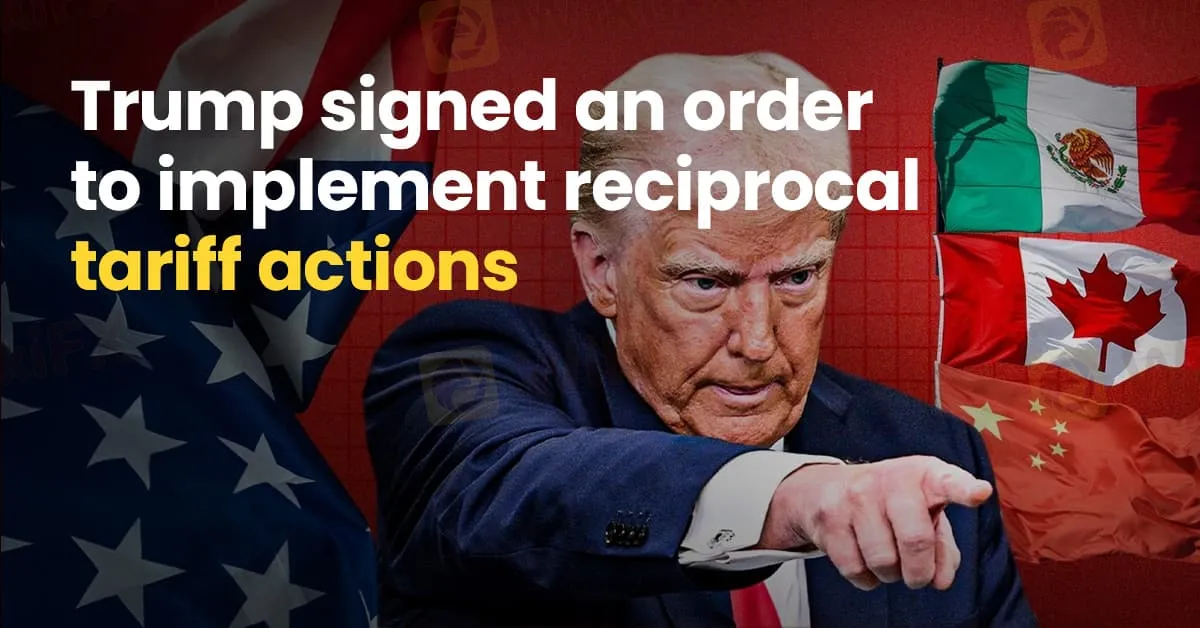
On February 13, 2025, President Donald Trump signed a memorandum directing his economic team to develop plans for implementing reciprocal tariffs on all countries that impose tariffs on U.S. imports. This strategy aims to ensure fairness by matching the tariffs charged by other nations on American goods. The directive includes calculating duties to match those other countries charge and addressing non-tariff barriers such as vehicle safety rules and value-added taxes that hinder U.S. exports.
According to Reuters, the Key Aspects of the Reciprocal Tariff Plan include:
- Targeted Countries: The plan focuses on major trading partners, including China, Japan, South Korea, and the European Union.
- Implementation Timeline: While the memorandum initiates the development process, the new tariffs are not expected to be levied immediately. White House officials have indicated that the administration aims to move quickly, suggesting a timeline of “weeks” rather than “months” for implementation.
- Economic Implications: The announcement has raised concerns about potential economic repercussions, including fears of a global trade war and the possibility of increased consumer prices. However, Wall Street responded positively, relieved that new tariffs were not immediately implemented.
Context and Background
This move is part of President Trump's broader efforts to address trade imbalances and promote fair trade practices. The reciprocal tariff plan builds upon previous actions, such as the 25% tariffs on steel and aluminum imports and the 10% tariffs on Chinese goods. The administration's approach reflects a shift towards more protectionist trade policies, aiming to level the playing field for U.S. industries.
Potential Global Impact
The implementation of reciprocal tariffs could lead to significant changes in global trade dynamics. Countries affected by these tariffs may seek to negotiate trade agreements to reduce or eliminate the new duties. Additionally, businesses may need to adjust their supply chains and pricing strategies in response to the changing trade environment.
As the Trump administration moves forward with this plan, the global community will be closely monitoring the developments and their potential impact on international trade relations.

Disclaimer:
The views in this article only represent the author's personal views, and do not constitute investment advice on this platform. This platform does not guarantee the accuracy, completeness and timeliness of the information in the article, and will not be liable for any loss caused by the use of or reliance on the information in the article.