Abstract:Cynics would say that playing poker and trading are similar in the sense that both are akin to gambling. But, for those who have done both, it is clear that there is a large level of skill involved in both the fields and it is the skill level that separates
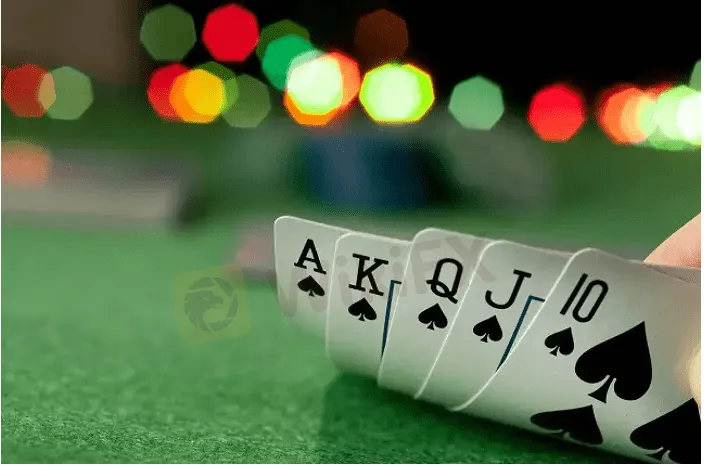
Cynics would say that playing poker and trading are similar in the sense that both are akin to gambling. But, for those who have done both, it is clear that there is a large level of skill involved in both the fields and it is the skill level that separates the best from the rest. It is also the skills that help the trader or the player to come out of a specific tight situation and it is the same skill that makes him stay out when it is required and makes both poker play and trading an exciting profession to do.
It is important to understand that skills are not only physical but are mental as well. Both poker and trading require a high level of mental skill. In both, being patient is the key. Waiting for the right card and waiting for the right trade is very important. Knowing when you are on the losing side is key as well. In poker, you look at your cards and the ones on the table and should know the right time to fold before you are forced to risk too much on a losing hand. Likewise, when you know that you are on a losing trade, it is important to cut the loss rather than risking more and more on a losing trade.
How Do They Complement Each Other
Timing is key in both poker and trading. While in trading, it is important to wait for the right trade, in poker it is important that you wait for the right combination of cards so that you do not fold too soon or too late. You also learn risk management in trading and poker as it is important for you to know how much you should risk on each trade just as how much you can risk on each hand in poker. The lesser you risk, the more trades and hands that you are in and the better are your chances of success. But when you know that the trade or your hand is good, you take a lot of risk to maximize the profit.
Moreover, while in trading you use various tools such as technical and fundamental analysis, a good poker player will use cards statistics to get advantage over other players.
And just as you wait for the table cards to be laid down in poker before you decide how your hand is and how much you should risk, it is always important to see what the market is telling you and adjust the risk accordingly. So, as is evident, some of the basic skills are very similar in both poker and trading as well.
Poker Skills in the Trading Industry
Thats why we have seen that some trading firms are showing an increasing inclination to recruit good poker players on their trading team as they are likely to do well as far as risk management and other aspects of trading are concerned. Poker also involves very quick decision making capacity and it is exactly these kinds of qualities that are needed at the trading desk as well. We have been seeing that some of the Wall Street firms have started looking at poker skills as an important skill that would be a plus for any trader that is recruited. Of course, this is not the only skill that the firms look for but being a good poker player is definitely up there as one of the most desired skills for being on the trading team.
A shining example of such a poker player making it to the higher echelons of top trading teams is seen in the case of Chris Fargis who was offered a position in Toro trading mainly for his poker skills. He did not have any major management degree but was known to be a very good poker player. But in the trading industry which involves millions of dollars and needs people with quick thinking and good risk management skills, poker players are likely to be among the best candidates for the job.
Some trading firms also make it a mandatory part of their skills training for their existing traders highlighting the connection between poker and trading and how the skills in one can be used to complement the skills in the other field.