Abstract:Japanese policymakers worried about the yen sliding lower are increasingly also having to watch out for it rebounding, officials told Reuters, signalling that currency-market intervention is less likely than some investors expect.
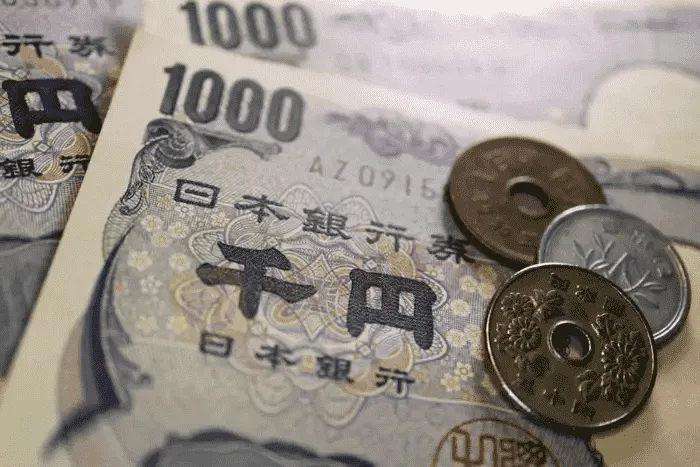
Japan has stepped up its warnings about sharp yen falls including a rare joint statement last month from the government and the central bank making clear their readiness to intervene if a drop is too swift.
While there is no change to that position of guarding against excessive yen declines, authorities are also turning their attention to the risk of a sharp rise in the currency, said three policymakers with knowledge of the matter.
The shift in focus reflects growing market fears that the U.S. Federal Reserves aggressive monetary tightening to combat inflation could trigger a recession in the United States, forcing its central bank to slow interest rate rises.
That, in turn, could drive down the dollar against the yen, they said.
“Theres a chance the U.S. economy could slide into recession, which could trigger significant dollar selling,” said one of the policymakers, who all declined to be identified.
“We need to worry about both the risk of excessive dollar falls and dollar rises.”
Another of the policymakers said the primary concern remained the recent sharp yen falls.
“But there‘s also a need to keep an eye out on the risk of a sharp rebound in the yen as the market’s focus of attention changes,” said the second policymaker.
The concern underscores how rising fears of a global recession could be changing the way Japanese policymakers see the outlook for the yen, from a focus entirely on the risk of further declines towards a more balanced stance.
The growing attention of policymakers on the risk of a reversal in the trend of a weak yen also increases the likelihood the Bank of Japan (BOJ) will maintain its low interest rates.
The divergence between Japan‘s low rates and the Fed’s rate increases has been a key factor driving the yen lower.
Some market players have speculated the BOJ could adjust its easy policy to prevent the yen from falling further. But Governor Haruhiko Kuroda has brushed aside that possibility, arguing that the weak economy still needed monetary support.
Red flag?
Japanese policymakers have traditionally favoured a weak yen over a strong one, as yen rises hurt exports by making Japans goods less competitive overseas.
But the yens recent plunge to a 24-year low against the dollar has become a worry as it hurts households and retailers by inflating already rising cost of imported fuel and raw materials.
Jawboning by Japanese officials has failed to reverse the yens downtrend. Despite threats of intervention, Tokyo has not stepped in to prop it up.
The emerging dual focus for policymakers underscores a shift in the markets apprehension about global recession, from a sole focus on rising prices.
The U.S. economy contracted slightly more than estimated in the first quarter as a resurgence in COVID-19 infections curbed spending on services, raising a red flag for the economic outlook.
Recession fears are also creeping into the thinking of European Central Bank policymakers, even as they prepare for the banks first interest rate increase in more than a decade to curb inflation.
“It‘s hard to expect the yen to keep falling at the current pace if you know the Fed’s aggressive rate hikes will cool the U.S. economy,” said Yasuhide Yajima, chief economist at NLI Research Institute.
“If so, Japan doesnt need to do anything to address the weak yen.”
Japan has refrained from intervening in the currency market since 2011, when it stepped in to arrest a sharp yen rise after an earthquake and tsunami disaster battered the economy.